The Architecture of Attention: Translating Spatial Design to Digital UX
For over two decades, my canvas as an Art Director has shifted back and forth between the screen and the physical world. I’ve architected digital user flows, but I’ve also built comprehensive event playbooks and brand systems for massive live events—from the Venture Atlanta conference to innovation summits like Avant South.
When I tell people I am a Visual Product Designer with a deep background in live-event Art Direction, they often see two different careers. I see the exact same job.
Whether you are designing a digital currency exchange or the floor plan of a 3,000-person convention, the core material you are manipulating isn't pixels or plywood. It's human attention.
Here is how the principles of large-scale spatial design directly translate into building better, lower-friction digital products.
1. Wayfinding and Progressive Disclosure
If you walk into a massive tech conference, you don't want to see a sign pointing to every single breakout room, bathroom, and exit all at once. That creates immediate cognitive overload. Good physical wayfinding relies on progressive disclosure. The main lobby only tells you how to find the main halls. You don't get the sign for "Room 204B" until you are actually in the West Wing.
The Digital Translation: In UX, we often try to cram every feature into the top-level navigation to prove the product's value. It’s the equivalent of putting 50 directional arrows in the lobby. Treat your app’s architecture like a physical building. Hide secondary actions until the user has navigated into the relevant "room." Give them the information they need only when they are in the context to act on it.
2. Pacing the Room: Managing Cognitive Fatigue
When you design an event playbook for a multi-day summit, you are mapping the emotional and physical energy of the attendees. You can’t put three heavy, data-dense keynote speakers back-to-back without a break, or the audience taps out. You have to design "white space" into the schedule—lounges, low-stakes environments, moments to breathe.
The Digital Translation: Digital users experience cognitive fatigue exactly like conference attendees do. If your onboarding flow requires a user to read tooltips, fill out six forms, and make three complex decisions back-to-back, they will churn. You have to design "digital lounges"—moments of low cognitive load, visual white space, and clear, simple success states that let the user's brain recover before the next complex task.
3. Brand as a Utility, Not Just a "Vibe"
When building brand guidelines for large-scale events like the SoWal Wine Festival, color and typography aren't just aesthetic choices; they are functional utilities. At a massive festival, attendees must unconsciously learn the visual language of the space—perhaps "Burgundy signage means Red Blends" and "Gold signage means VIP Lounge." The brand system becomes an unspoken language that speeds up decision-making.
The Digital Translation: In UI design, your design system is your signage. If a primary button is a specific hex code of green, that green cannot be used for a non-clickable decorative icon. The moment you break your own visual rules, you break the user's trust in your digital environment. Consistency isn't about looking professional; it's about reducing the friction of choice.
We Are Architects, Not Decorators
Whether I am art directing a live event space or wireframing a mobile app, the ultimate goal is the same. The user shouldn't notice the design. They should simply feel that moving from Point A to Point B was the easiest, most natural thing in the world.
Good design doesn't just look good. It gets out of the way.
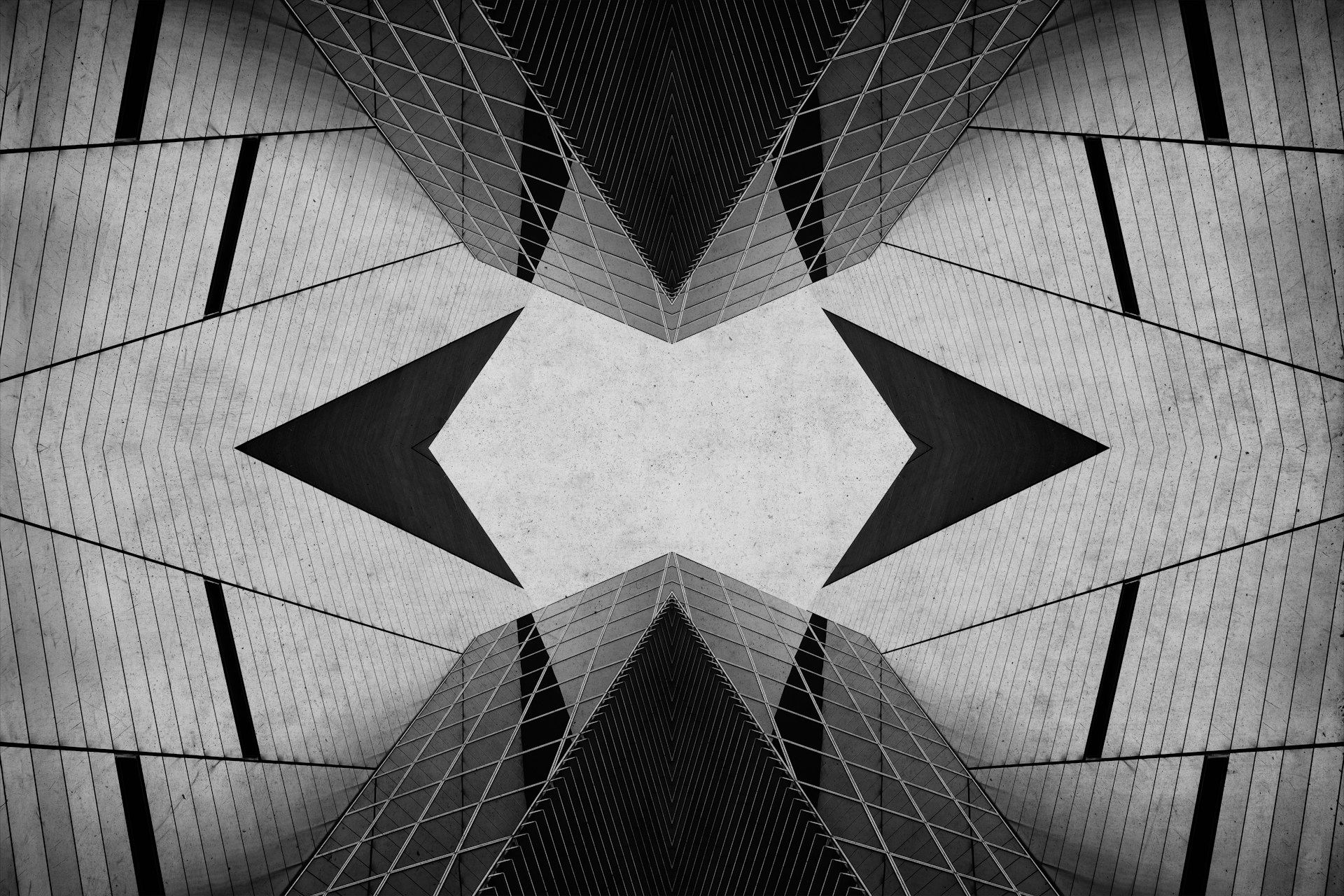
Photo by Mike Hindle on Unsplash
Date Published
Mar 1, 2026
Reading Time
5 min